
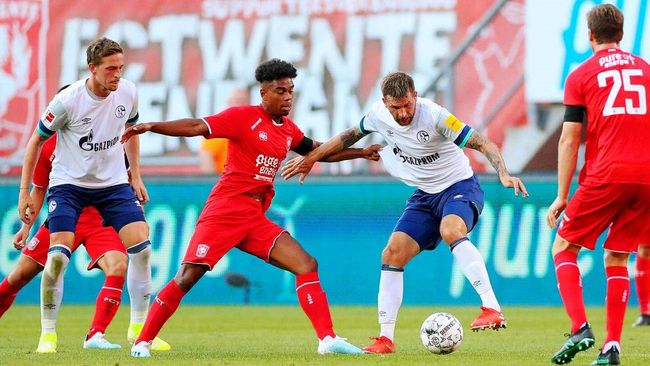
Considering foreign player regulations
I’m recalling that the CSL allowed five foreign players on the pitch simultaneously starting in 2023, and I believe that it remains the same for 2024. Before that, there were rules for three plus one. It's smart to approach this generally. I’m thinking about concepts like knowledge transfer, competitive balance, and roster rules involving salary caps and homegrown rules. I'll suggest metrics like ELO ratings and propose best practices, referencing successful leagues like the EPL and J-League.Analyzing league regulations and impacts

In 2023, the J-League changed its registration rules to allow no limit, but only five foreign players on the pitch, with exemptions for Thailand and Vietnam. The K-League has an Asian quota, while MLS uses Designated Players (DP) to improve the league but keeps domestic playtime requirements. Heavy spending in the CSL previously attracted stars but inflated wages and hampered sustainable growth. I need to consider tactical roles, club benefits, and potential risks, while being ready to tailor recommendations based on the user's specific league interest.Structuring the Response
I want to create a structured response that includes pros and cons, key mechanisms, evidence, and policy options. Discussing the training environment is crucial since domestic players face higher standards daily, and I might mention the trade-off between minute time and intensity. I’ll suggest that having foreigners make up 30-50% of minutes often optimizes performance, but above 60% may limit opportunities for smaller nations.
I'll organize it into several sections including core impacts, potential positive and negative effects, and policy tools. I want to emphasize quality over quantity in recruiting and the importance of data scouting.
外援对联赛的影响,核心看“质量与结构”,而不是“数量”。路径主要有三条:技战术提升、市场商业化、人才生态(青训与国家队)再分配。
正向影响
- 竞技水平:高水平外援提升训练强度与比赛速度,带来技战术多样性(不同体系与角色分工),提高对抗上限。
- 知识转移:外援与外教共同带来先进方法(定位球、反抢细节、负荷管理),对本土球员形成“日常对标”效应。
- 商业价值:提升关注度、转播版权与赞助单价,明星效应带动球市和社媒传播。
- 竞争格局:适度引进能缩小强弱差距(中下游买到关键位增量),增加赛季不确定性与观赏性。
潜在负面
- 挤占与依赖:过量或结构失衡(集中在锋线/核心位)压缩本土中前场成长空间,形成“给外援球”的战术路径依赖。
- 薪资通胀与财务风险:追星式引援、经纪人溢价、短合同高签字费,带来预算失控与更衣室薪酬不公。
- 短期化:为即时战绩频繁更换外援,磨合成本高、体系难沉淀。
- 文化与合规风险:语言、生活融入差导致化学反应不足;若监管弱,可能出现阴阳合同、税务与转会合规问题。
对国家队的影响(结论常被误读)
- 短期:联赛强度上升可提速国家队节奏感与对抗适应,但核心位外援过多会减少本土关键位置实战决策机会。
- 中长期:效果取决于“上场时间结构”。若U21/U23与本土关键位能稳定获得高质量分钟,国家队受益;反之则被“替代”。
- 经验:小型足协在外援分钟占比长期>60%时,本土前锋与10号位产出明显受抑;门将/中卫受影响较小。
联赛层面的政策工具(组合拳)
- 配额与结构:限制单场上阵外援人数,同时鼓励“关键位本土化”或“位置平衡”(避免全在前场)。亚洲/区域名额可保多样性与成本可控。
- 注册与薪酬:单赛季外援注册上限;设总薪资帽+指定球员(DP)例外/奢侈税;控制中介费与经纪人透明报备。
- 青训激励:U21上场红利(奖金/薪资帽豁免)、本土培养年限计分、转会团结与培养补偿直达基层。
- 财务监管:准入审查+工资占营收比红线+现金流测试,避免“寅吃卯粮”。
- 非技术配套:语言/家庭/医疗与康复支持,缩短适应期;明确VAR/判罚一致性,保护对抗强度。
俱乐部实践建议
- 画像与结构:按阵型和节奏需求引援,优先引入“放大器”型(能提升全队强度与习惯)的外援;避免功能重复。
- 数据与风控:结合视频+事件数据+追踪数据评估可迁移性(对抗、压迫、无球跑动),审慎对待“低强度联赛高产出”的噪音。
- 合同设计:以2+1为主、嵌入出场与绩效条款;总薪资控制更衣室公平;预留离队和税务合规条款。
- 传帮带:明确外援在训练中的示范任务(定位球战术、比赛管理),把“知识”沉淀为训练流程和SOP。
评估KPI(联赛/俱乐部)
- 竞技:国际对战Elo/积分、洲际赛成绩、联赛回合场均强度指标(速度、冲刺、PPDA)。
- 人才:本土U23/本土核心位上场分钟与产出、外流顶级联赛人数。
- 商业:上座率、转播均价与收视、社媒增长、赞助续约率。
- 健康:工资占营收比、净转会盈亏、外援留队年限与出勤率。
案例速写
- 英超:高质量外援+严格财务+强青训供给,形成正循环;但本土前锋供给相对稀缺。
- J/K联赛:适度配额+亚洲名额,重青训与整队跑动,成本与竞技平衡较佳。
- MLS:DP+薪资帽+本土名额,近年提高比赛强度同时大量输出本土新星。
- 中超:早期高投入带来关注与外援顶配,但薪资通胀与青训沉淀不足;近年收紧财政后走向可持续的结构优化更关键。
- 沙特联赛:迅速引进顶星拉动商业与强度,长期效果取决于青训与财务规范化。
可操作结论

- 质量与结构优先于数量:与其多不精,不如少而强、位置均衡。
- 配额中庸+本土激励:限制上场外援数,同时确保U21/U23与本土关键位有稳定高质量分钟。
- 财务纪律+数据引援:控制薪酬占比,用数据验证适应性,稳健合同。
- 训练标准化:把外援经验固化为日常训练与比赛流程,避免“人走技亡”。
如果你关注的是某个具体联赛/俱乐部,我可以按其现行配额与财政规则给出更精确的配方与引援位置建议。